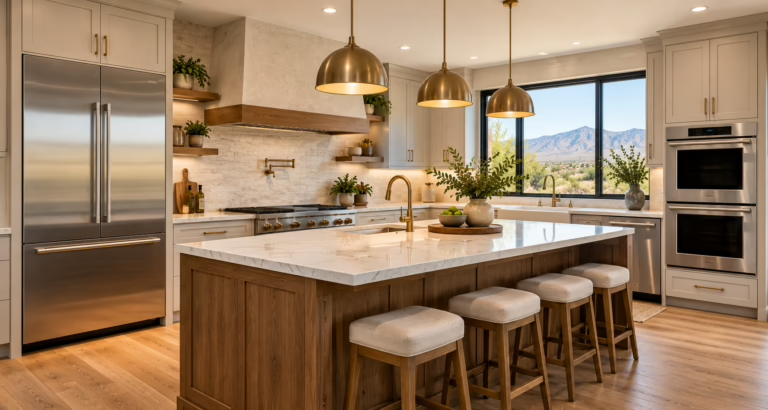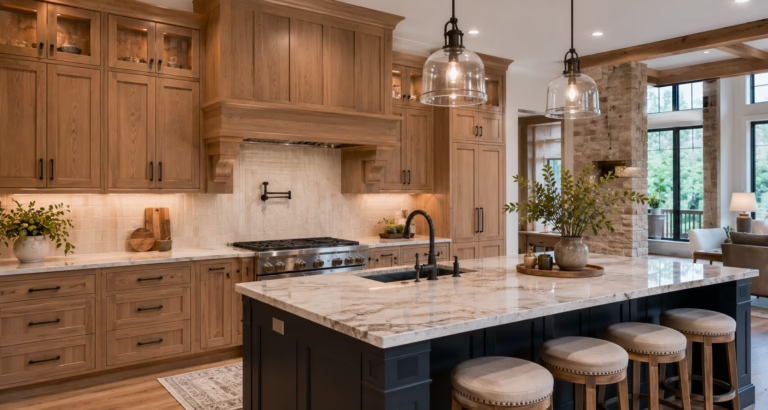
Most kitchen remodels take between 6 and 12 weeks once construction begins, although the total timeline can range from a few weeks to several months depending on the project’s size, design complexity, material availability, and whether structural, plumbing, or electrical changes are involved. Proper planning and working with an experienced contractor can help keep your kitchen remodel on schedule.
One of the very first questions homeowners ask before starting a renovation is:
“How long does a kitchen remodel take?”
It’s a fair question.
Your kitchen is one of the most frequently used rooms in your home. Once construction begins, cooking routines change, appliances disappear, cabinets come down, and life becomes a little less convenient for a while.
The good news is that every remodel has a beginning, middle, and end—and understanding the process ahead of time makes the entire experience much less stressful.
Whether you’re updating cabinets and countertops or planning a complete custom kitchen renovation, having realistic expectations about the timeline helps you:
- Plan meals and temporary cooking arrangements
- Budget your time and finances
- Reduce stress during construction
- Avoid unnecessary delays
- Know what to expect each week
In this guide, we’ll walk through the complete kitchen remodel timeline, explain what affects project length, and share practical tips to help your remodel stay on schedule.
The Average Kitchen Remodel Timeline
While every project is unique, most kitchen remodels follow a similar schedule.
Cosmetic Kitchen Remodel
Typical Timeline:
3–6 Weeks
Examples include:
- New paint
- Cabinet refinishing
- Countertops
- New backsplash
- Fixture replacements
- Flooring
These projects keep the existing layout and usually don’t require moving plumbing or electrical systems.
Mid-Range Kitchen Remodel
Typical Timeline:
6–10 Weeks
Usually includes:
- New cabinets
- Countertops
- Appliances
- Flooring
- Lighting
- Minor plumbing updates
- New island
This is the most common type of remodel Hunter Builders completes.
Luxury Kitchen Remodel
Typical Timeline:
10–16+ Weeks
These projects often involve:
- Removing walls
- Structural engineering
- Custom cabinetry
- Luxury appliances
- Complete plumbing relocation
- Electrical upgrades
- Custom millwork
- High-end finishes
While they take longer, they also create dramatic transformations.
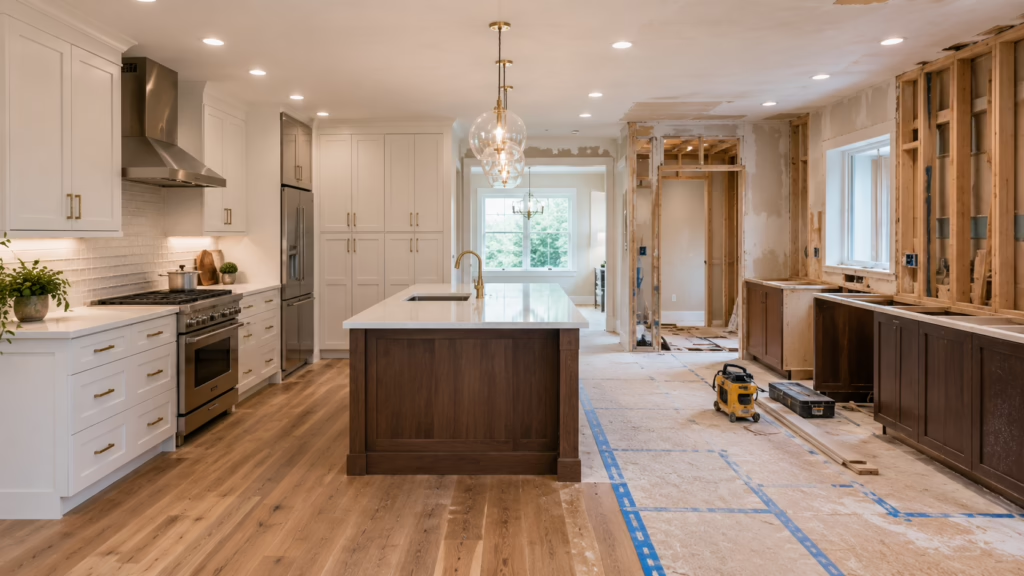
Kitchen Remodeling Timeline: Step by Step
Let’s look at exactly what happens throughout a kitchen renovation.
Phase 1: Planning and Design
Estimated Time: 2–4 Weeks
This is arguably the most important phase.
Many homeowners think demolition is the beginning of a remodel.
It’s actually planning.
During this stage you’ll work through:
- Project goals
- Budget
- Layout options
- Cabinet design
- Appliance selections
- Countertops
- Flooring
- Lighting
- Plumbing fixtures
- Paint colors
The more decisions made before construction starts, the smoother the project runs.
This is also when you’ll gather inspiration from Pinterest, Houzz, magazines, and completed projects.
At Hunter Builders, we encourage homeowners to spend extra time during this phase because good planning almost always results in fewer surprises later.
Read Our Kitchen Remodel Checklist
Phase 2: Ordering Materials
Estimated Time: 2–8 Weeks (Often overlaps planning)
Many homeowners don’t realize this phase can actually determine the overall timeline.
Some products arrive within days.
Others can take months.
Examples:
Stock Cabinets:
1–3 Weeks
Semi-Custom Cabinets:
4–8 Weeks
Custom Cabinets:
8–16 Weeks
Quartz Countertops:
2–4 Weeks
Luxury Appliances:
2–12 Weeks
Imported Tile:
4–10 Weeks
If one important item is delayed, the entire project can slow down.
That’s why experienced contractors begin ordering materials long before demolition starts.
Phase 3: Permits and Scheduling
Estimated Time: 1–3 Weeks
Not every remodel requires permits.
However, permits are often needed when:
- Moving plumbing
- Changing electrical
- Removing walls
- Installing new gas lines
- Structural modifications
While permits aren’t the most exciting part of a remodel, they’re essential for ensuring everything meets local building codes.
Professional contractors handle this process for you.
Phase 4: Preparing Your Home
Estimated Time: 1–2 Days
Before demolition begins, it’s time to prepare.
This includes:
Removing:
- Dishes
- Food
- Small appliances
- Decorations
- Rugs
- Furniture near the kitchen
Setting up:
- Temporary kitchen
- Coffee station
- Microwave area
- Mini refrigerator
- Paper plates and utensils
Protecting:
- Floors
- Adjacent rooms
- Furniture
- HVAC vents
A little preparation makes construction much easier.
Phase 5: Demolition
Estimated Time: 2–5 Days
Now the fun begins.
Old cabinets come out.
Countertops disappear.
Flooring gets removed.
Walls may come down.
Demolition usually happens quickly, but it’s often noisy.
It’s also the stage where hidden issues sometimes appear.
Examples include:
- Water damage
- Mold
- Improper wiring
- Plumbing leaks
- Termite damage
Finding these issues early allows them to be repaired correctly before new materials are installed.
Phase 6: Framing, Plumbing & Electrical
Estimated Time: 1–2 Weeks
This is where your new kitchen begins taking shape.
Depending on your remodel, contractors may:
- Frame new walls
- Remove walls
- Install support beams
- Move plumbing
- Add electrical outlets
- Install dedicated appliance circuits
- Upgrade lighting
- Add gas lines
This work happens behind the walls, so it may not feel like much progress is being made.
But it’s one of the most important parts of the remodel.
Everything must pass inspections before drywall goes back up.
Skipping or rushing this phase can create expensive problems later.
Why Some Kitchen Remodels Take Longer Than Others
If you’ve ever talked to friends or neighbors about remodeling, you’ve probably heard very different timelines.
One person says their kitchen was finished in five weeks.
Another says theirs took four months.
Why?
Several factors influence the overall kitchen renovation timeline.
Project Size
The simplest explanation is size.
Replacing cabinets and countertops is much faster than redesigning the entire kitchen.
Large kitchens naturally require:
- More cabinets
- More flooring
- More lighting
- More tile
- More labor
Custom Materials
Custom products almost always require additional lead time.
Examples include:
- Handmade tile
- Custom cabinetry
- Specialty appliances
- Imported stone
- Built-in refrigeration
These items are worth the wait—but they should be ordered early.
Structural Changes
Removing walls is one of the biggest reasons remodel timelines increase.
Structural modifications require:
- Engineering
- Permits
- Inspections
- Additional framing
The payoff is often worth it because open-concept kitchens remain one of the most requested remodeling features.
Unexpected Repairs
Once demolition begins, surprises sometimes appear.
Older Albuquerque homes may reveal:
- Aging plumbing
- Electrical upgrades
- Water damage
- Foundation settling
- Hidden structural repairs
Addressing these issues properly ensures your new kitchen lasts for decades.
Phase 7: Drywall, Painting, and Surface Preparation
Estimated Time: 3–7 Days
Once the plumbing, electrical, and framing inspections are complete, it’s time to close everything back up.
This stage includes:
- Hanging new drywall
- Taping and mudding seams
- Sanding walls smooth
- Priming surfaces
- Painting ceilings and walls
Many homeowners get excited at this point because the kitchen starts looking like a room again instead of a construction site.
If your remodel includes textured walls or specialty finishes, this phase may take a little longer because drywall compound and paint need adequate drying time between coats.
Professional preparation during this step makes a huge difference in the final appearance of your kitchen.
Phase 8: Flooring Installation
Estimated Time: 2–5 Days
In many remodels, flooring is installed before cabinets.
In others, flooring is installed after cabinetry.
The sequence depends on the type of flooring and the contractor’s preferred installation method.
Popular kitchen flooring options include:
- Luxury Vinyl Plank (LVP)
- Porcelain Tile
- Engineered Hardwood
- Natural Stone
Large-format tile generally requires more installation time than luxury vinyl flooring because of cutting, leveling, and grout curing.
No matter which flooring you choose, proper installation ensures durability for years of everyday use.
Phase 9: Cabinet Installation
Estimated Time: 3–7 Days
Cabinet installation is one of the biggest milestones in the kitchen remodel timeline.
Your kitchen suddenly starts taking shape.
Professional installers carefully:
- Level base cabinets
- Secure wall cabinets
- Install filler panels
- Align doors
- Adjust drawers
- Verify spacing for appliances
Even slight variations in cabinet placement can affect countertops, backsplashes, and appliance installation, so precision is critical.
Custom cabinetry often requires additional installation time because every piece is built specifically for your home.
Phase 10: Countertop Templating and Installation
Estimated Time: 1–3 Weeks
Many homeowners are surprised that countertops usually aren’t installed immediately after cabinets.
Here’s why.
Once cabinets are secured, countertop professionals visit your home to create an exact digital template.
Quartz, granite, marble, and other stone countertops are then fabricated specifically for your kitchen.
Typical fabrication timeline:
- Template appointment
- Stone cutting
- Edge finishing
- Sink cutouts
- Delivery
- Installation
Actual installation usually takes only one day.
However, fabrication often takes one to three weeks depending on the material and supplier.
Phase 11: Backsplash Installation
Estimated Time: 2–5 Days
With countertops complete, your backsplash can finally be installed.
Popular backsplash choices include:
- Subway tile
- Mosaic tile
- Large porcelain slabs
- Handmade ceramic tile
- Quartz backsplash extensions
Tile installers must allow thinset and grout to cure properly before sealing or cleaning the finished surface.
Although this phase doesn’t take long, it adds tremendous visual impact to the kitchen.
Many homeowners say the backsplash is the feature that “pulls everything together.”
Phase 12: Finish Plumbing and Electrical
Estimated Time: 2–4 Days
Now it’s time to connect everything.
This phase includes installing:
- Faucets
- Garbage disposals
- Dishwashers
- Sinks
- Pendant lighting
- Recessed lighting trim
- Under-cabinet lighting
- Switches and outlets
- Appliances
- Range hoods
Everything is tested to ensure it functions properly before final inspections.
Phase 13: Final Details and Walkthrough
Estimated Time: 1–3 Days
Every remodeling project finishes with the details.
This includes:
- Paint touch-ups
- Cabinet adjustments
- Hardware alignment
- Caulking
- Cleaning
- Appliance testing
Your contractor should then conduct a final walkthrough with you.
This is your opportunity to ask questions, note any adjustments, and verify everything meets your expectations.
Common Reasons Kitchen Remodels Get Delayed
One of the biggest questions homeowners have isn’t just “How long does a kitchen remodel take?”
It’s:
“Why do some remodels take longer than expected?”
Here are the most common reasons.
Material Backorders
Cabinets, appliances, specialty lighting, and custom countertops sometimes have long lead times.
Ordering materials before demolition helps minimize delays.
Design Changes
Changing your mind after construction begins often impacts both schedule and budget.
For example:
- Different cabinet sizes
- New appliance selections
- Moving plumbing
- Changing countertop materials
Making decisions during the planning stage keeps projects moving.
Hidden Problems
Once walls are opened, contractors sometimes discover:
- Water damage
- Mold
- Outdated plumbing
- Unsafe wiring
- Structural issues
While these repairs may add time, addressing them properly protects your investment.
Permit and Inspection Scheduling
Projects involving structural, plumbing, or electrical work often require inspections before the next phase can begin.
Experienced contractors coordinate these inspections to minimize downtime.
How to Keep Your Kitchen Remodel on Schedule
While some delays are unavoidable, many can be prevented with proper planning.
Finalize Your Design Early
Avoid making major design decisions after construction begins.
Order Materials Before Demolition
Have cabinets, flooring, fixtures, and appliances ordered as early as possible.
Set Realistic Expectations
Even well-managed remodels may experience minor schedule adjustments.
Flexibility helps reduce stress.
Choose an Experienced Kitchen Remodeling Contractor
An organized contractor coordinates subcontractors, inspections, deliveries, and scheduling so work continues efficiently.
What to Expect While Living Through a Kitchen Remodel
Many homeowners continue living in their home during construction.
Although it requires some adjustment, it’s completely manageable.
Here are a few practical tips:
Create a Temporary Kitchen
Set up a small area with:
- Microwave
- Coffee maker
- Toaster oven
- Air fryer
- Mini refrigerator
Meal Prep Before Construction
Freeze meals ahead of time.
Stock up on simple breakfast and lunch options.
Expect Some Noise
Construction equipment, saws, and demolition create noise throughout the day.
If you work from home, you may want to schedule meetings outside the house during demolition.
Protect Adjacent Rooms
Dust barriers help, but fine construction dust can still travel.
Cover nearby furniture and electronics when possible.
Kitchen Remodel Timeline for Albuquerque Homes
Every city has unique factors that influence remodeling schedules.
In Albuquerque, some additional considerations include:
- Permit processing times
- Seasonal contractor demand
- Availability of specialty Southwest materials
- Custom adobe home construction
- Older plumbing and electrical systems in historic neighborhoods
Working with a local contractor who understands these factors can help prevent unnecessary delays.
Is a Longer Remodel Worth It?
Sometimes homeowners worry when they hear that a remodel could take several months.
Remember:
You’re not just replacing cabinets.
You’re improving one of the most valuable spaces in your home.
A professionally completed kitchen remodel offers benefits for years to come, including:
- Better functionality
- Increased home value
- Improved energy efficiency
- More storage
- Enhanced entertaining space
- Greater enjoyment every day
When done correctly, the temporary inconvenience is well worth the long-term results.
Final Thoughts
So, how long does a kitchen remodel take?
For most homeowners, the answer is between 6 and 12 weeks once construction begins, although the total timeline—including planning, design, material ordering, and permitting—can span several months.
The exact schedule depends on your project’s size, the materials you choose, and whether structural, plumbing, or electrical changes are involved. While every remodel is unique, careful planning and working with an experienced contractor can help keep your renovation on time and on budget.
If you’re preparing for a kitchen remodel, don’t rush the planning process. Choosing materials early, setting realistic expectations, and partnering with a trusted remodeling professional are some of the best ways to ensure a smooth renovation.
Ready to Start Your Kitchen Remodel?
If you’re considering a kitchen remodel in Albuquerque, Hunter Builders is here to help. From the initial design consultation to the final walkthrough, our experienced team will guide you through every step of the remodeling process, keeping your project organized, on schedule, and built to the highest standards of craftsmanship. Contact Hunter Builders today to schedule your free consultation and start creating the kitchen you’ve always envisioned.